LANDING PAGE CONCEPT · FOR DESIGN REVIEW
Public Health Brigades

Help build the foundations of healthier communities

Clean water. Safe sanitation. Healthier homes.

Work alongside families, community leaders, and local professionals to improve the everyday conditions that support lasting health. Your chapter can choose a focus on Community Water Systems or Healthy Homes within one Public Health Brigades program.

Plan Your Public Health BrigadeExplore the Focus Options

Public health begins where people live

A reliable water supply and the infrastructure to use it safely belong together. Public Health Brigades connects community water access with household sanitation, hygiene, and healthier living environments.

Our core focus is WASH—water, sanitation, and hygiene—alongside home improvements such as eco-stoves. As part of Global Brigades, your chapter contributes to a broader approach to community health and development, supported by community health workers who serve their communities year-round.

See Public Health Brigades in action · Existing Global Brigades program video

One program. Two ways to contribute.

Choose the focus that connects your chapter’s interests with community health priorities.

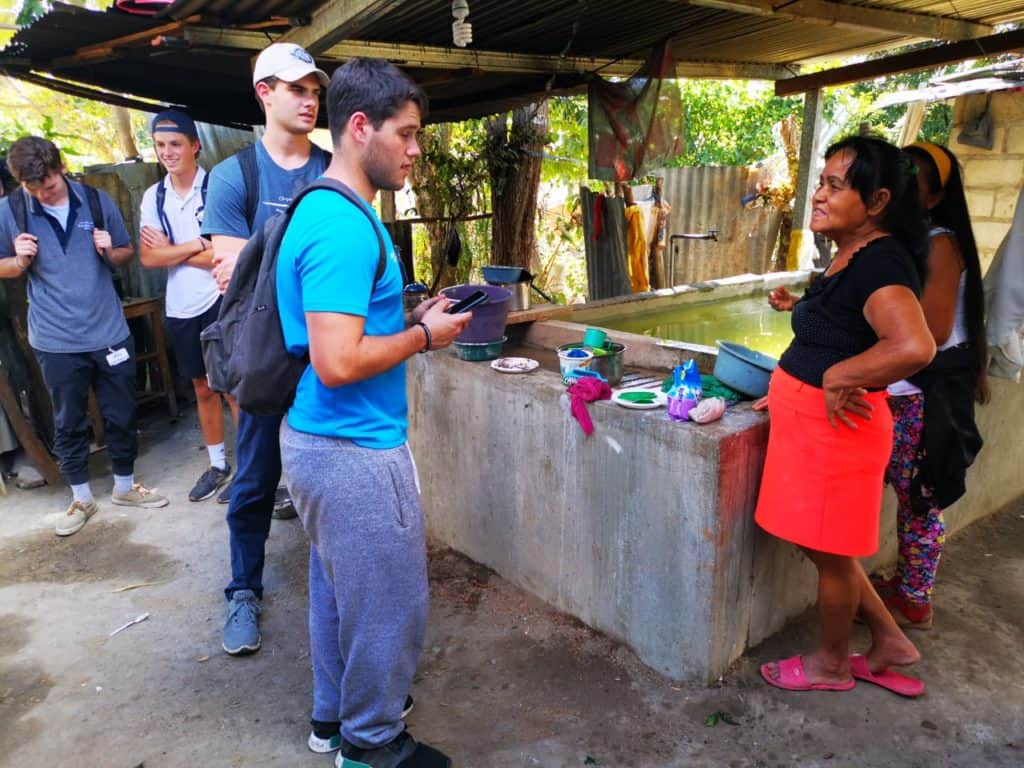
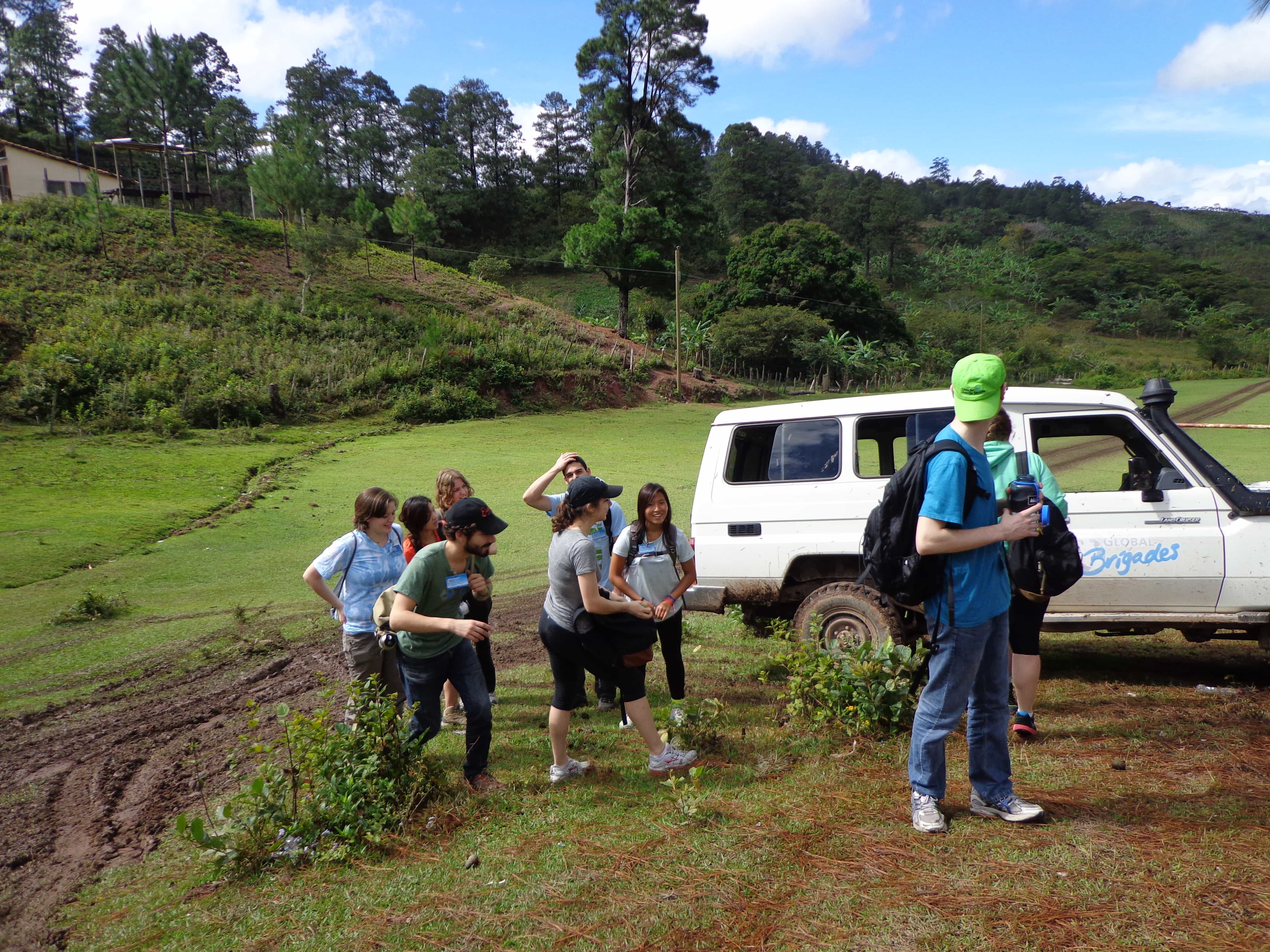
Volunteers participating in a community water project in Honduras

Community Water Systems

Help bring reliable water access to an entire community.

Work alongside community members and local technicians on a portion of a larger water system. Activities can include digging trenches, installing pipeline, and learning how water committees oversee fees and maintenance.

A system takes shape through the work of multiple groups over time. Your brigade contributes to that continuing effort.

See Water Systems in Action
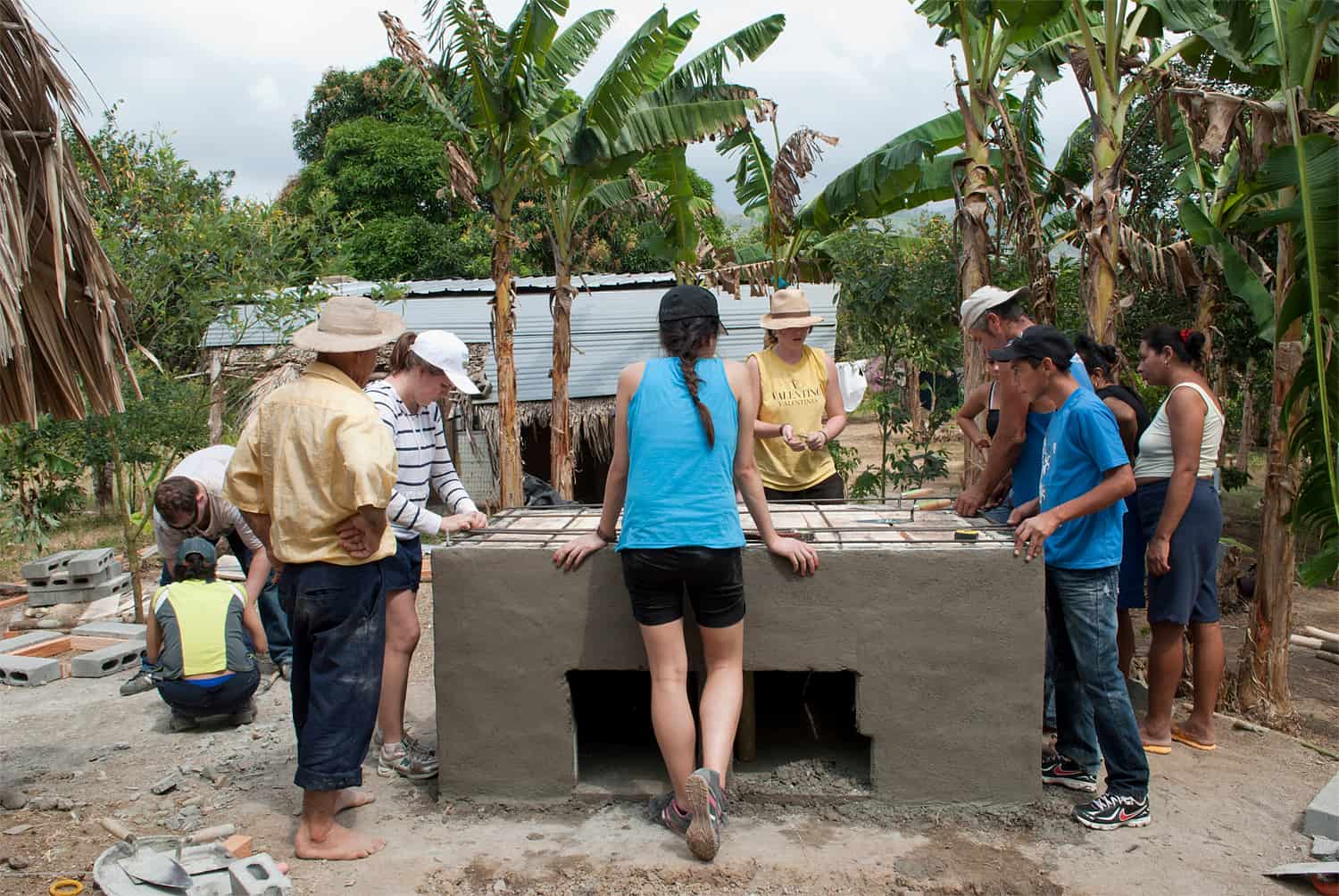
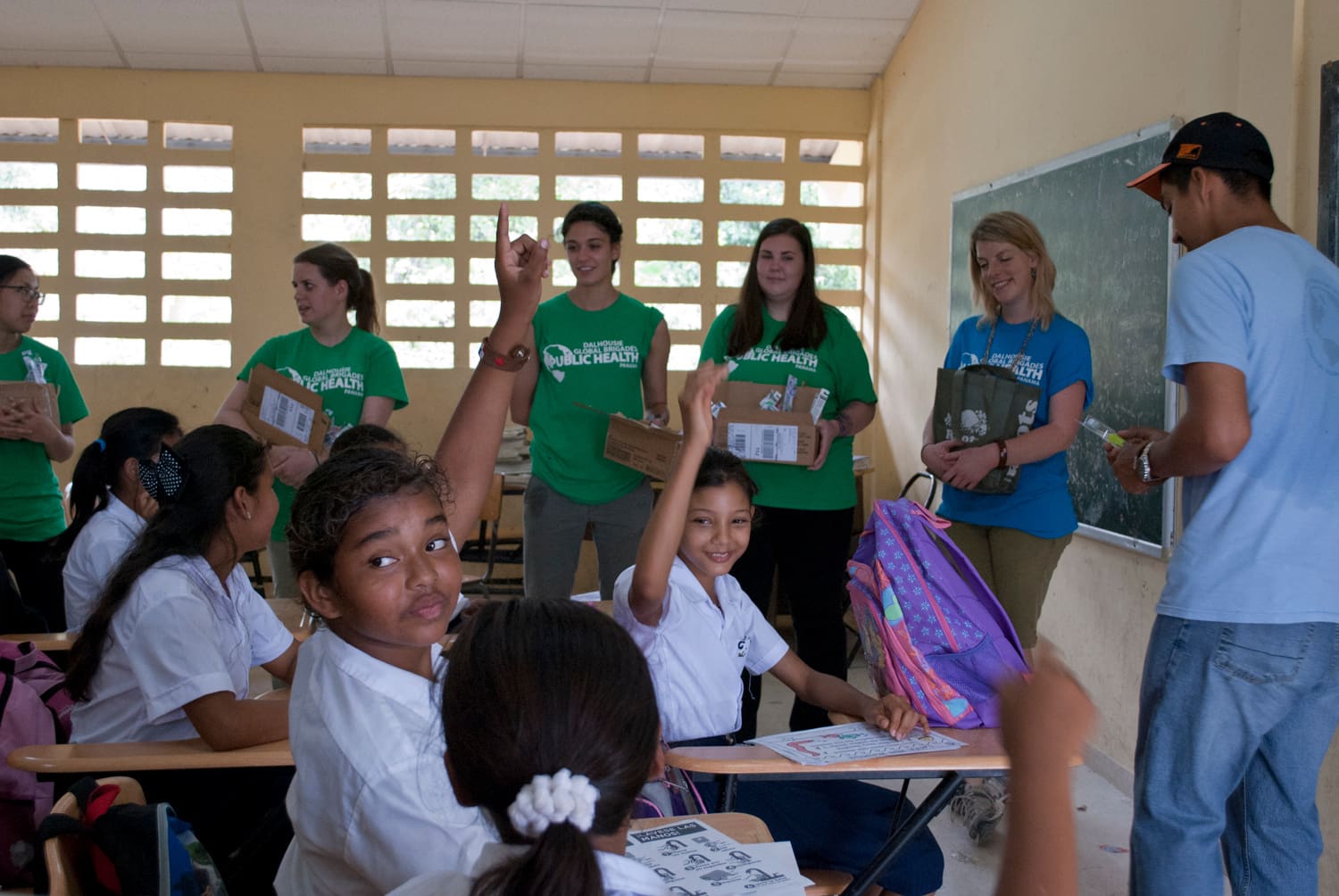
Public Health Brigades volunteers working on household infrastructure in Panama

Healthy Homes

Help families improve the spaces they use every day.

Work alongside families and local masons on household projects selected around local needs. Projects may include latrines, showers, water storage, drinking water filters, and eco-stoves.

This focus connects practical improvements with education on their use and care.

Explore Healthy Homes Projects

Choosing your focus: Tell us which option interests your chapter. Our team will help match your preference with community priorities, country options, and active projects.

Why Public Health Brigades?

Build a broader foundation for your future in healthcare

Understanding health means understanding how people live. Public Health Brigades gives aspiring healthcare professionals the opportunity to explore the conditions that shape wellbeing—and work alongside communities to improve them.

See the factors that shape a patient’s health

Learn how water access, sanitation, and the home environment influence daily life. Build the habit of looking beyond symptoms to understand the circumstances a person brings into a healthcare setting.

Put prevention into practice

Help construct community water systems or household health infrastructure alongside local professionals. Connect what you learn about disease prevention to tangible projects that communities have identified as priorities.

Practice listening and communicating across backgrounds

Learn from families and community leaders, and participate in hygiene education. Practice explaining health concepts clearly while respecting local knowledge, priorities, and experiences.

Learn from community health workers

Meet the community health workers who serve as a local first point of contact for primary health concerns and connect communities with Global Brigades’ health programs. Learn from their experience supporting families year-round, and explore how prevention, health education, and ongoing community relationships contribute to care.

Whether your interests lie in medicine, nursing, public health, or another healthcare field, this experience can help you develop a more informed perspective on the people and communities you hope to serve.

What you’ll do

Connect hands-on work with the bigger public health picture.

Contribute alongside local professionals

Help with an agreed part of an active water or household project, following guidance from the people leading the work. Learn how each day’s contribution fits into a larger community plan.

Activities and construction tasks depend on your focus and the project stage.

Volunteers contributing to a household project

See community water work in action

Explore the experience now offered through the Community Water Systems focus.

Existing Water Brigades video · Historical branding retained in this design preview

Explore the Healthy Homes projects

Practical improvements that support sanitation, hygiene, and healthier living environments.

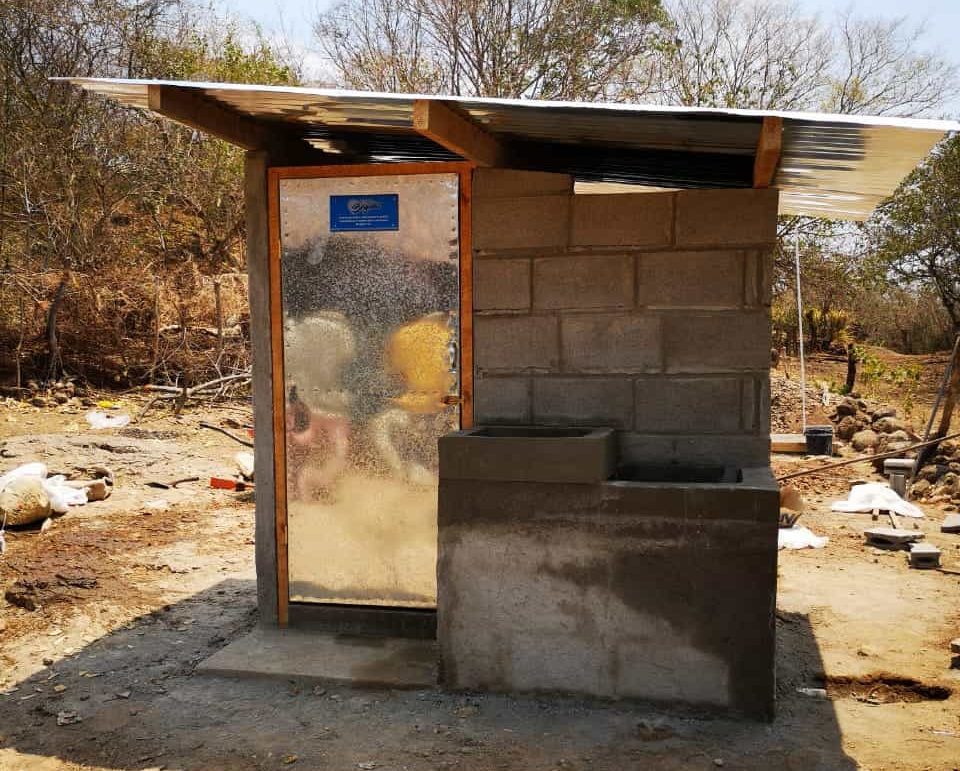
Household sanitation infrastructure

Latrines

Household sanitation and safe waste disposal.

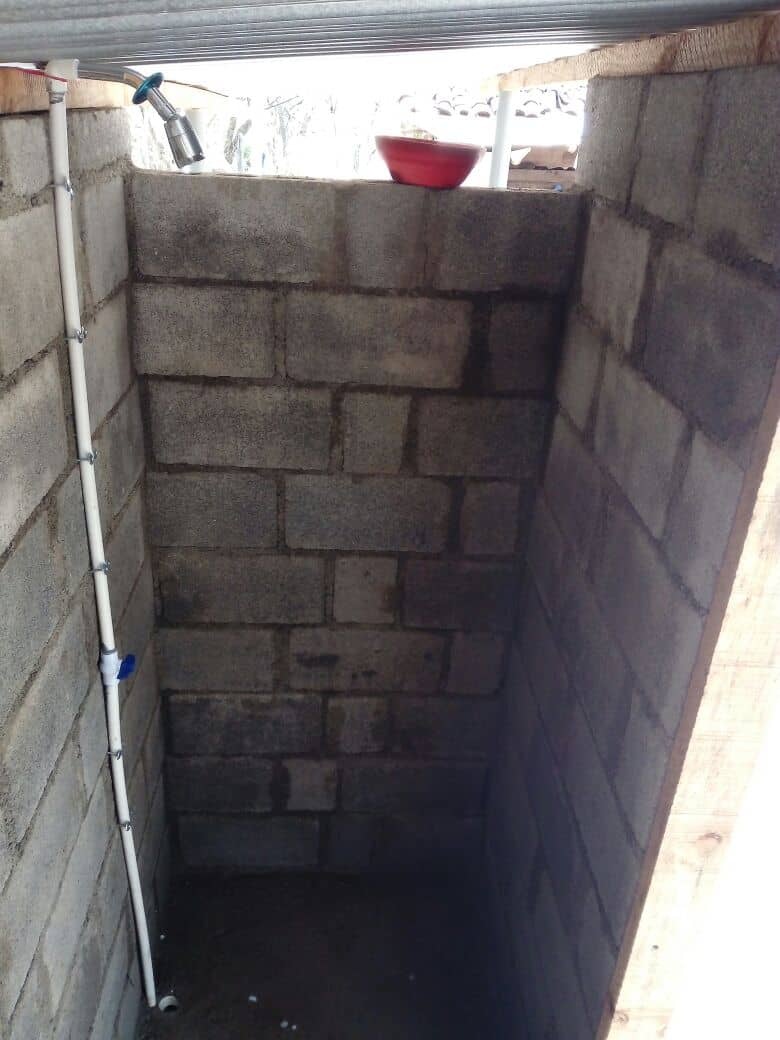
Household shower project

Showers

A private place for bathing.

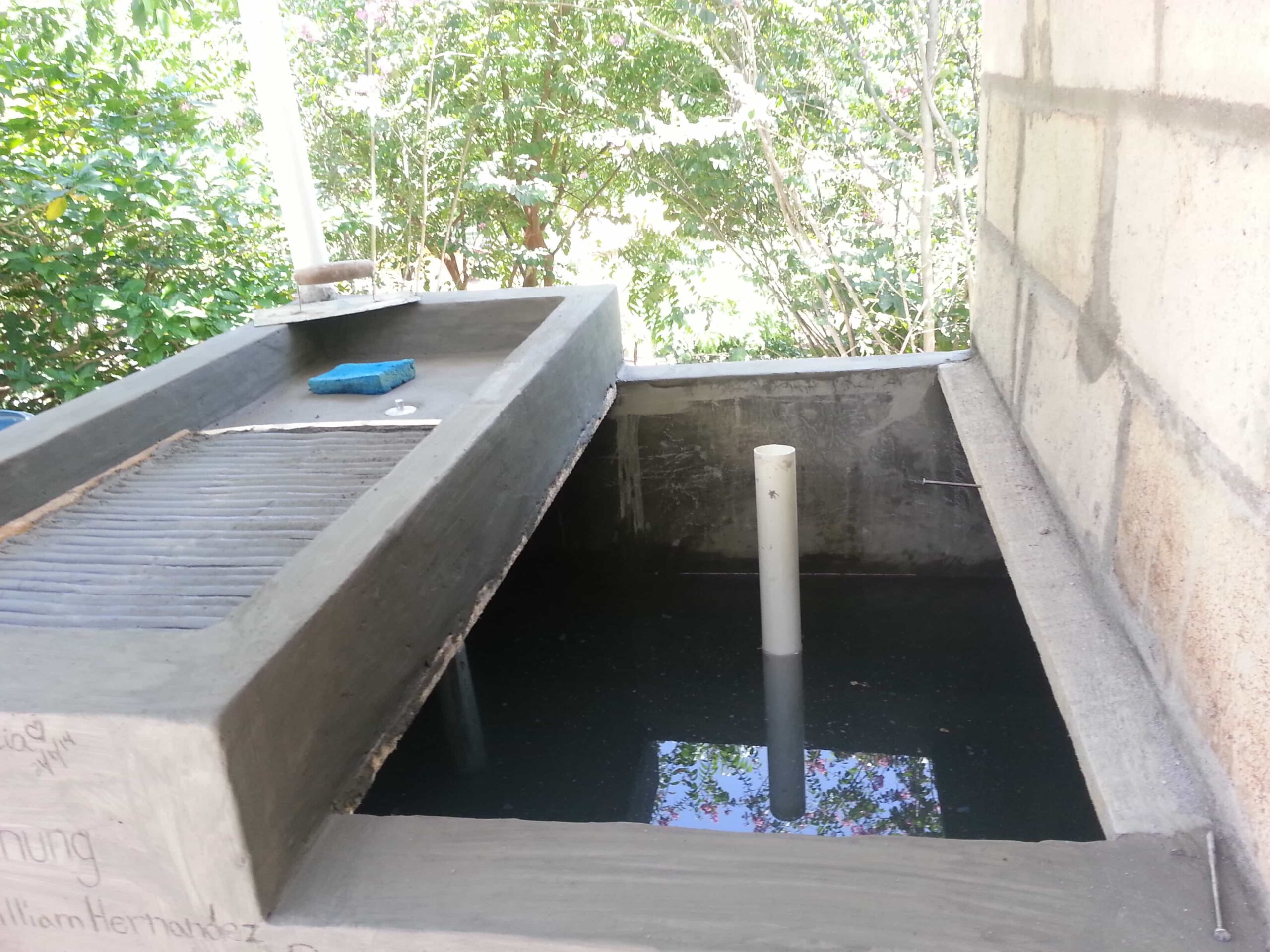
Household water storage project

Water Storage

Convenient access to water for everyday household use.

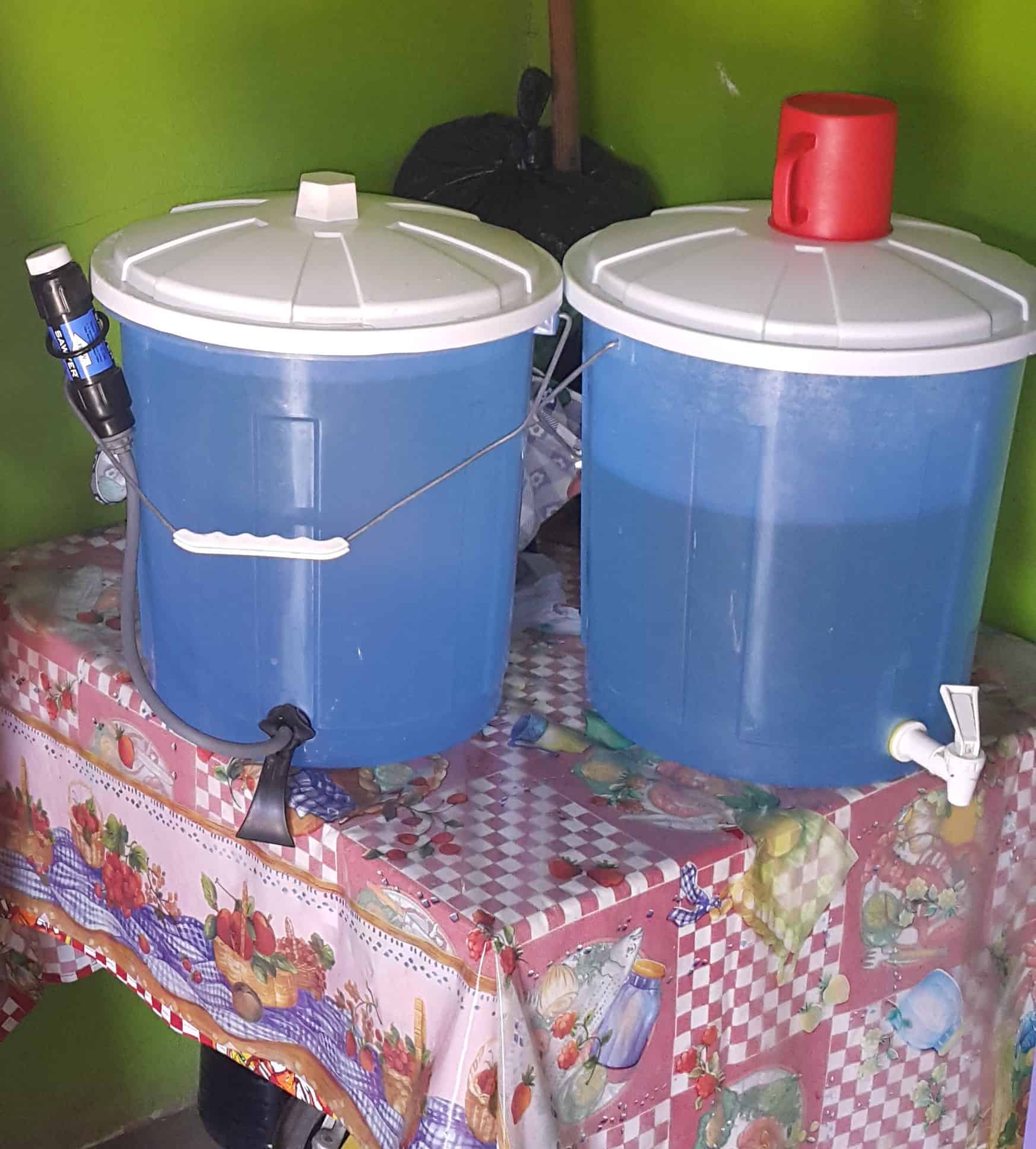
Household drinking water filters

Drinking Water Filters

Household drinking water treatment and safe storage.

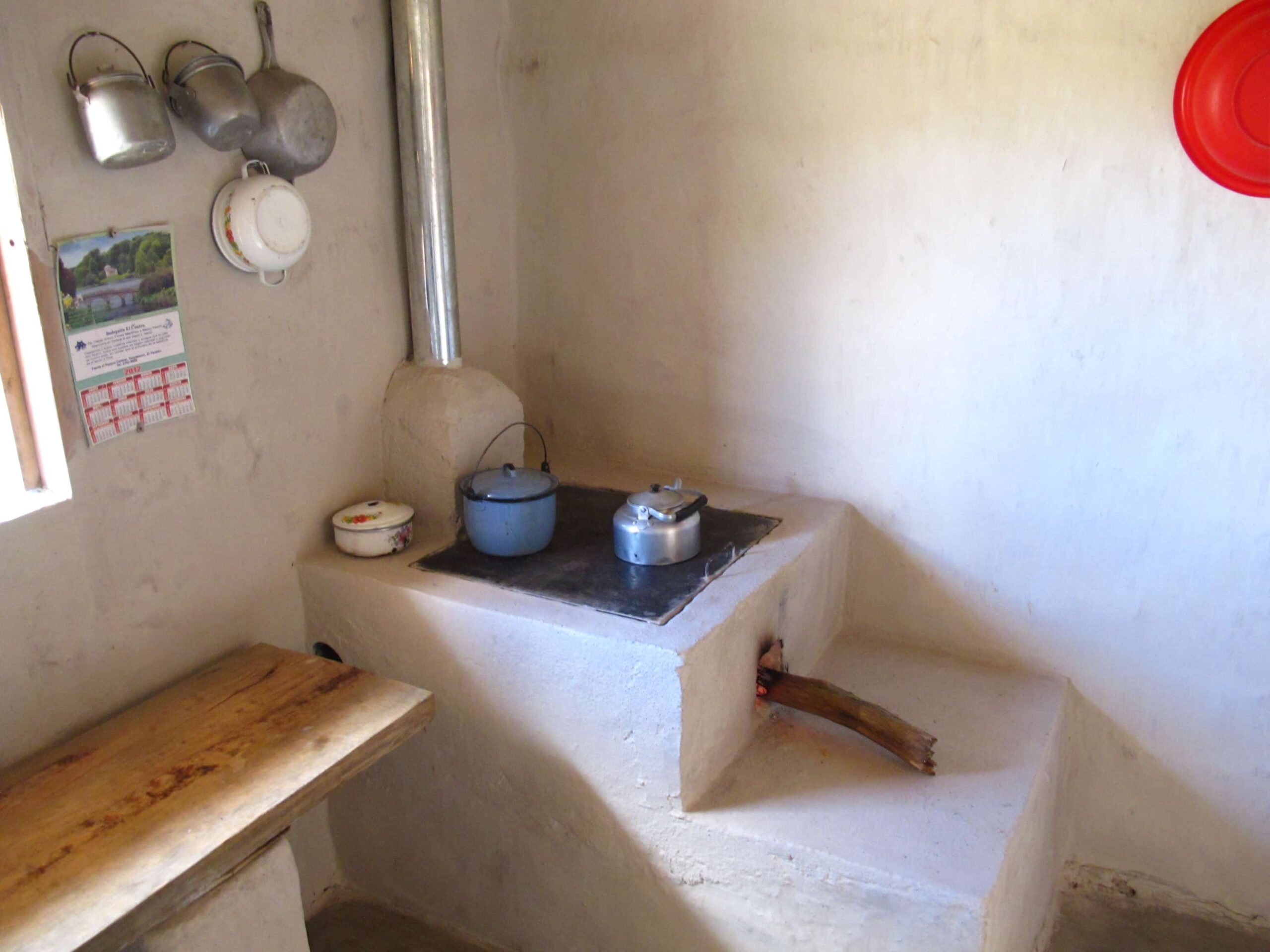
Eco-stove construction project

Eco-Stoves

Cooking with a chimney that directs smoke outside.

Projects vary by community and household. Your chapter will learn which projects it will support during planning.

See the Projects in Detail

Infrastructure and people supporting community health

Community water systems, healthier homes, and trained local health workers contribute to work that extends beyond a single visit.

69,853

People gaining access to clean water

Through water systems built with partner communities.

93

Communities with improved water infrastructure

Supporting access to clean water across partner communities.

4,440

Households with new health infrastructure

Receiving one or more improvements, such as stoves, floors, showers, or sanitation projects.

789

Community health workers trained

Through Global Brigades’ broader health work, supporting primary health concerns and connections to health brigades.

Cumulative impact of Global Brigades’ water, public health, and community health worker programs.
These measures describe different aspects of the work and are reported separately; they should not be added together.

Where We Work

Partner with communities pursuing their health priorities.

Start with your preferred focus, then work with our team to identify a community project. Program options depend on local priorities and active work.

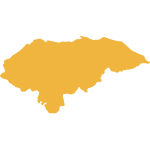
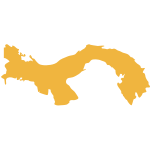
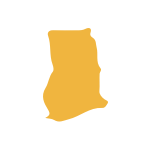
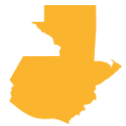
Countries currently listed for Public Health Brigades. Our team can explain which focus options are available for your chapter.

On Campus

Bring students together around prevention, community health, and practical action. Start a Public Health Brigades chapter or explore a focus option with your existing chapter.

In Community

Work alongside families, community members, and local professionals on projects that support healthier living conditions.

Talk With Our TeamStart a Public Health Chapter

Frequently Asked Questions

Can our chapter choose its focus?

Yes. Chapters can express a preference for Community Water Systems or Healthy Homes. Final arrangements depend on community priorities and project availability.

What happened to Water Brigades?

In this unified program concept, the water systems experience becomes the Community Water Systems focus within Public Health Brigades. Existing Water Brigades chapters can work with our team on the transition.

Will we complete an entire water system?

Water systems typically require multiple brigade groups working with community members over several months. Your chapter helps complete part of that larger project.

Will every Healthy Homes brigade build every project?

No. Projects are selected around household needs and the work available during your visit.

Do I need construction experience?

The current Public Health program provides guidance from local masons and preparation materials. Our team will explain the preparation and requirements for your chosen focus.

Are eco-stoves part of WASH?

Eco-stoves complement the program’s WASH work by addressing the home cooking environment. Healthy Homes includes both WASH infrastructure and these additional improvements.

How will we interact with community health workers?

Students learn from community health workers about local health needs and their year-round role in the community. Opportunities may also include supporting additional training, guided by local teams and matched to students’ preparation.

How long is a brigade?

The current program pages describe seven-day brigades. Our team will confirm the schedule and activities for your chapter’s focus.

How do we start?

Connect with our team to discuss your chapter, preferred focus, and travel plans.

Part of the Global Brigades community

Public Health Brigades connects your chapter to Global Brigades’ broader work in health and community development.

United WayPATHKivaInter-American Development BankThe Council for Global Health ScholarsForum on Education Abroad

Selected logos from the current Global Brigades partner section.
Partner relationships and display permissions to be confirmed for the final page.

Bring your chapter together for community health

Help build the water systems and healthier homes that communities identify as priorities.

Plan Your Public Health BrigadeStart a Chapter
Designer handoff notes
  • This is a review concept for the proposed consolidated program, not the official program website.
  • Uses the current sites’ palette, Aleo-style headings, Source Sans body text, photo hero, program videos, country illustrations, and selected partner logos.
  • All photographs and videos come from the supplied Global Brigades pages. Videos stream from their original URLs and require internet access.
  • Confirm country links, focus availability, schedules, chapter transition language, and the impact reporting date before final publication. Impact figures supplied for this draft: 69,853 people gaining water access, 93 communities with improved water infrastructure, 4,440 households receiving health infrastructure, 789 community health workers trained, and 20,334 beneficiaries of Community Health Action Plans. CHW training is attributed to Global Brigades’ broader health work. Keep all units distinct and confirm the definition of health action plan beneficiaries; these are not additive measures.
  • The existing Medical Brigades anniversary logo is retained as the current microsite asset. Replace with the approved Public Health or Global Brigades lockup for launch.
  • The inquiry buttons use the current Get Involved form. Update it to offer both focus options.
  • Add a verified Public Health or Water student reflection or community story when one is available. No testimonial has been invented.